

If you’ve ever bought or sold a home, you’ve probably heard things like:“We’re so happy the home appraised!”“Get your free home valuation here!”They sound

Dated: May 8 2025
Views: 1
Buying your first investment property is an exciting venture! Here are some tips to help you navigate the process:
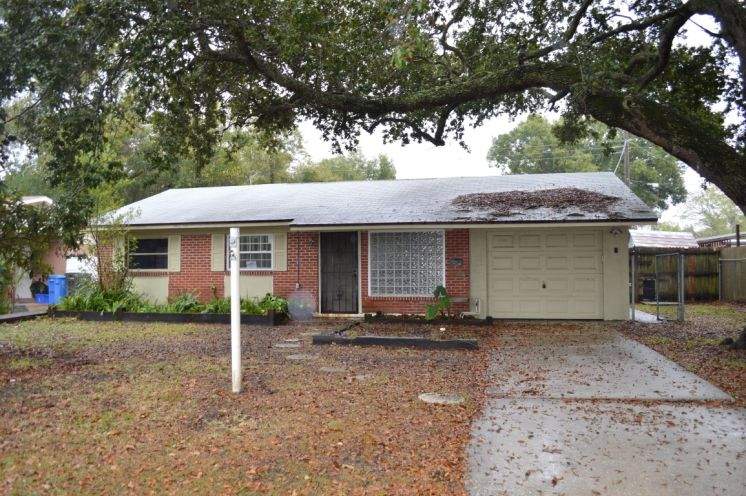
1. **Define Your Investment Goals**: Determine what you want to achieve with your investment property. Are you looking for long-term rental income, short-term gains through flipping, or a combination of both?
2. **Research the Market**: Explore different neighborhoods and property types to understand local market trends, rental demand, and property values. Look for areas with potential for growth and steady rental income.
3. **Set a Budget**: Determine how much you can afford to invest, including the down payment, closing costs, renovation expenses (if any), and ongoing maintenance costs. Stick to your budget to avoid overextending yourself financially.
4. **Secure Financing**: Explore your financing options, whether it’s through a conventional mortgage, an FHA loan, or alternative financing methods. Get pre-approved for a loan to show sellers that you’re a serious buyer.
5. **Calculate Potential Returns**: Evaluate the potential return on investment (ROI) by estimating rental income, expenses, and potential appreciation. Consider factors like property taxes, insurance, maintenance costs, and vacancy rates.
6. **Inspect the Property**: Hire a professional inspector to thoroughly examine the property for any structural issues, code violations, or costly repairs. This will help you make an informed decision and avoid unexpected expenses down the road.
7. **Negotiate the Purchase Price**: Don’t be afraid to negotiate with the seller to get the best possible deal. Research comparable sales in the area to justify your offer and be prepared to walk away if the terms aren’t favorable.
8. **Plan for Ongoing Management**: Decide whether you’ll manage the property yourself or hire a property management company. Factor in the cost of management services and consider how involved you want to be in day-to-day operations.
9. **Stay Informed**: Keep up with real estate trends, market conditions, and relevant regulations. Networking with other investors and industry professionals can provide valuable insights and opportunities.
10. **Have a Contingency Plan**: Be prepared for unexpected challenges such as vacancies, maintenance issues, or changes in market conditions. Maintain a financial reserve to cover these expenses and adapt your strategy as needed.
Remember, buying an investment property requires careful planning, research, and due diligence. Take your time, weigh your options, and seek guidance from experienced professionals if needed.
If you’ve ever bought or sold a home, you’ve probably heard things like:“We’re so happy the home appraised!”“Get your free home valuation here!”They sound
2 Mortgage Payment Hacks Anyone Can Follow!Does the idea of making a mortgage payment for the next 360 months give you anxiety? Many first time home buyers get the moment of shock when they see
Does Location Matter? In real estate you have likely heard the term “location, location, location”.I'm going to break this down into three categories (City, Neighborhood, Lot)The
Should I Buy a Home?Do You plan to stay in the area for 3+ years?Yes - Then Real Estate is a proven way to build equity Rather than paying rent say $2,000/month x 3 years = $72,000 in cost of living
Should you require assistance in navigating our website or searching for real estate, please contact our offices at 919-720-4991.

 All information deemed reliable but not guaranteed. All properties are subject to prior sale, change or withdrawal. Neither listing broker(s) or information provider(s) shall be responsible for any typographical errors, misinformation, misprints and shall be held totally harmless. Listing(s) information is provided for consumer's personal, non-commercial use and may not be used for any purpose other than to identify prospective properties consumers may be interested in purchasing. The data relating
to real estate for sale on this website comes in part from the Internet Data Exchange program of the Multiple Listing Service. Real estate listings held by brokerage firms other than Choice Residential Real Estate may be marked with the Internet Data Exchange logo and detailed information about those properties will include the name of the listing broker(s) when required by the MLS. Copyright ©2026 All rights reserved.
Last Updated: September 13, 2026 6:16 PM UTC
Show More...
All information deemed reliable but not guaranteed. All properties are subject to prior sale, change or withdrawal. Neither listing broker(s) or information provider(s) shall be responsible for any typographical errors, misinformation, misprints and shall be held totally harmless. Listing(s) information is provided for consumer's personal, non-commercial use and may not be used for any purpose other than to identify prospective properties consumers may be interested in purchasing. The data relating
to real estate for sale on this website comes in part from the Internet Data Exchange program of the Multiple Listing Service. Real estate listings held by brokerage firms other than Choice Residential Real Estate may be marked with the Internet Data Exchange logo and detailed information about those properties will include the name of the listing broker(s) when required by the MLS. Copyright ©2026 All rights reserved.
Last Updated: September 13, 2026 6:16 PM UTC
Show More...
 Copyright 2026 Triangle MLS, Inc. of North Carolina. All rights reserved.
The data relating to real estate for sale on this web site comes in part from the Triangle MLS, Inc. of North Carolina. Real estate listings held by brokerage firms other than Choice Residential Real Estate are marked with the Broker Reciprocity logo and detailed information about them includes the name of the listing brokers. Brokers make an effort to deliver accurate information, but buyers should independently verify any information on which they will rely in a transaction. The listing broker shall not be responsible for any typographical errors, misinformation, or misprints, and they shall be held totally harmless from any damages arising from reliance upon this data. This data is provided exclusively for consumer's personal, noncommercial use.
Closed (sold) listings may have been listed and/or sold by a real estate firm other than the firm(s) featured on this website. Closed data is not available until the sale of the property is recorded in the MLS. Home sale data is not an appraisal, CMA, competitive or comparative market analysis, or home valuation of any property.
Listings marked with an icon are provided courtesy of the Triangle MLS, Inc. of North Carolina, Internet Data Exchange Database.
This site is monitored for scraping. Any use of listing data obtained from this web site, other than by a consumer looking to purchase real estate, is prohibited.
This data has been updated as of September 13, 2026 5:43 PM UTC
Copyright 2026 Triangle MLS, Inc. of North Carolina. All rights reserved.
The data relating to real estate for sale on this web site comes in part from the Triangle MLS, Inc. of North Carolina. Real estate listings held by brokerage firms other than Choice Residential Real Estate are marked with the Broker Reciprocity logo and detailed information about them includes the name of the listing brokers. Brokers make an effort to deliver accurate information, but buyers should independently verify any information on which they will rely in a transaction. The listing broker shall not be responsible for any typographical errors, misinformation, or misprints, and they shall be held totally harmless from any damages arising from reliance upon this data. This data is provided exclusively for consumer's personal, noncommercial use.
Closed (sold) listings may have been listed and/or sold by a real estate firm other than the firm(s) featured on this website. Closed data is not available until the sale of the property is recorded in the MLS. Home sale data is not an appraisal, CMA, competitive or comparative market analysis, or home valuation of any property.
Listings marked with an icon are provided courtesy of the Triangle MLS, Inc. of North Carolina, Internet Data Exchange Database.
This site is monitored for scraping. Any use of listing data obtained from this web site, other than by a consumer looking to purchase real estate, is prohibited.
This data has been updated as of September 13, 2026 5:43 PM UTC
 Canopy MLS® Copyright ©2026 All rights reserved.
33. Required DMCA Notice
The Digital Millennium Copyright Act of 1998, 17 U.S.C. §512, the DMCA, provides recourse for copyright owners who believe that material appearing on the Internet infringes their rights under U.S. copyright law. If you believe in good faith that any content or material made available in connection with our website or services infringes your copyright, you (or your agent) may send us a notice requesting that the content or material be removed, or access to it blocked. Notices must be sent in writing by email to DMCAnotice@MLSGrid.com. The DMCA requires that your notice of alleged copyright infringement include the following information: (1) description of the copyrighted work that is the subject of claimed infringement; (2) description of the alleged infringing content and information sufficient to permit us to locate the content; (3) contact information for you, including your address, telephone number and email address; (4) a statement by you that you have a good faith belief that the content in the manner complained of is not authorized by the copyright owner, or its agent, or by the operation of any law; (5) a statement by you, signed under penalty of perjury, that the information in the notification is accurate and that you have the authority to enforce the copyrights that are claimed to be infringed; and (6) a physical or electronic signature of the copyright owner or a person authorized to act on the copyright owners behalf. Failure to include all of the above information may result in the delay of the processing of your complaint.
 Copyright 2026 NCRMLS. All rights reserved. North Carolina Regional Multiple Listing Service, (NCRMLS), provides content displayed here on an as is basis and makes no representations or warranties regarding the provided content, including, but not limited to those of non-infringement, timeliness, accuracy, or completeness. Individuals and companies using information presented are responsible for verification and validation of information they utilize and present to their customers and clients. NCRMLS
will not be liable for any damage or loss resulting from use of the provided content or the products available through Portals, IDX, VOW, and/or Syndication. Recipients of this information shall not resell, redistribute, reproduce, modify, or otherwise copy any portion thereof without the expressed written consent of NCRMLS.
Show More...
Copyright 2026 NCRMLS. All rights reserved. North Carolina Regional Multiple Listing Service, (NCRMLS), provides content displayed here on an as is basis and makes no representations or warranties regarding the provided content, including, but not limited to those of non-infringement, timeliness, accuracy, or completeness. Individuals and companies using information presented are responsible for verification and validation of information they utilize and present to their customers and clients. NCRMLS
will not be liable for any damage or loss resulting from use of the provided content or the products available through Portals, IDX, VOW, and/or Syndication. Recipients of this information shall not resell, redistribute, reproduce, modify, or otherwise copy any portion thereof without the expressed written consent of NCRMLS.
Show More...
 The data relating to real estate on this web site comes in part from the Internet Data Exchange program of Hive MLS LLC, and is updated as of September 13, 2026 6:06 PM UTC All information is deemed reliable but not guaranteed and should be independently verified. All properties are subject to prior sale, change, or withdrawal. Neither listing broker(s) nor Choice Residential Real Estate shall be responsible for any typographical errors, misinformation, or misprints, and shall be held totally harmless
from any damages arising from reliance upon these data. © 2026 Hive MLS LLC
Show More...
The data relating to real estate on this web site comes in part from the Internet Data Exchange program of Hive MLS LLC, and is updated as of September 13, 2026 6:06 PM UTC All information is deemed reliable but not guaranteed and should be independently verified. All properties are subject to prior sale, change, or withdrawal. Neither listing broker(s) nor Choice Residential Real Estate shall be responsible for any typographical errors, misinformation, or misprints, and shall be held totally harmless
from any damages arising from reliance upon these data. © 2026 Hive MLS LLC
Show More...
